
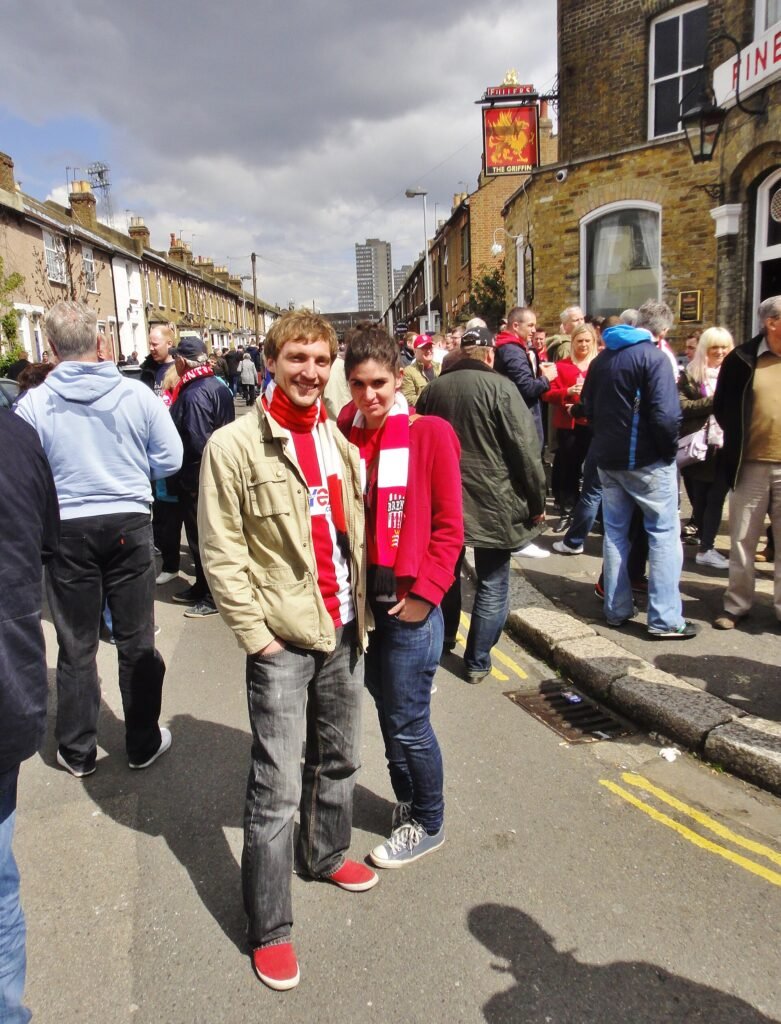
A visiting supporter at most Premier League grounds pays less than the home fans sitting beside them, which sounds backwards until the reason becomes clear: a specific, hard-won price cap protects away tickets in a way that home pricing has never been regulated. This guide explains exactly how that cap works and where it does not apply.
Quick Reference: The Away Cap
| Competition | Away Cap Applies |
|---|---|
| Premier League domestic fixtures | Yes, £30 |
| Domestic cup competitions | Varies by competition |
| Champions League / Europa League | No cap |
Where the Cap Came From
Premier League clubs agreed to a collective £30 cap on away tickets following sustained campaigning by supporter groups, who argued that travelling fans, essential to matchday atmosphere, were being priced out at some grounds. This remains one of the clearest examples of organised supporter pressure directly reshaping league-wide pricing policy.
Why It Makes Away Tickets Cheaper Almost Everywhere
Because the cap applies regardless of the home club’s own category pricing for that fixture, a visiting supporter at even the most expensive Premier League ground pays the same capped amount as at the cheapest, an and consistent saving compared to booking a general admission home seat at the same match.
The Trade-Off in Seating Quality
Away allocations are typically positioned in less premium sections, often behind a goal or in a corner rather than along the halfway line, reflecting which areas are easiest to segregate from the home crowd rather than any deliberate downgrade in quality.
Where the Cap Does Not Apply
European competition fixtures fall outside the domestic agreement entirely, meaning Champions League and Europa League away tickets can cost considerably more than an equivalent domestic away trip to the same stadium. Visitors planning European away travel should not assume the familiar £30 figure applies.
How to Access an Away Ticket
Away allocations are distributed by the visiting club to its own members and season ticket holders, meaning a ticket must be sourced through that club rather than purchased directly from the home side. Building a loyalty record with your own club’s away scheme is the most reliable route to consistent access.
How the Cap Compares to Domestic Cup Pricing
Domestic cup competitions do not carry the same fixed league-wide away cap that applies to Premier League fixtures, and individual competition rules or club agreements determine away pricing instead, producing more variation than supporters accustomed to the settled £30 figure might expect. A visitor assuming cup away pricing automatically matches league pricing should check the specific competition’s rules rather than carrying that assumption into a cup tie.
A Brief History of Away Pricing Before the Cap
Before the current agreement, away ticket prices varied considerably by home club with no coordinated limit, and several clubs faced sustained criticism through the early 2010s for away pricing that supporter groups argued was actively discouraging travelling support. The eventual agreement followed years of visible protest, including supporters holding up signs and staging walkouts during matches, a sustained campaign that this guide’s earlier section on the cap’s origins only partly captures without this additional context on how long the pressure actually took to produce a result.
How the Cap Compares to Domestic Cup Pricing
Domestic cup competitions do not carry the same fixed league-wide away cap that applies to Premier League fixtures, and individual competition rules or club agreements determine away pricing instead, producing more variation than supporters accustomed to the settled £30 figure might expect. A visitor assuming cup away pricing automatically matches league pricing should check the specific competition’s rules rather than carrying that assumption into a cup tie.
A Brief History of Away Pricing Before the Cap
Before the current agreement, away ticket prices varied considerably by home club with no coordinated limit, and several clubs faced sustained criticism through the early 2010s for away pricing that supporter groups argued was actively discouraging travelling support. The eventual agreement followed years of visible protest, including supporters holding up signs and staging walkouts during matches, a sustained campaign that this guide’s earlier section on the cap’s origins only partly captures without this additional context on how long the pressure actually took to produce a result.
Tips for Away Travel
Register with your club’s away ticket scheme as early as possible, and treat domestic league fixtures as the reliable low-cost option while budgeting separately and more generously for any European away trip.
What Happens if a Club Tries to Exceed the Cap
The £30 figure operates as a collective agreement between Premier League clubs rather than a statutory legal limit, meaning enforcement relies on the clubs themselves holding to it rather than an external regulator issuing penalties. In practice the agreement has held consistently since its introduction, with no club attempting to breach it publicly, largely because the reputational cost of being the one club seen undermining a hard-won supporter protection would considerably outweigh any modest additional revenue gained.
Away Days in the Lower Leagues
Below the Premier League, away pricing is generally lower still without needing a formal cap, since clubs at that level compete more directly for attendance and rarely have the pricing power the top division commands. A visitor specifically chasing an affordable away day should consider the Championship or League One, where the gap to home pricing is often narrower still.
Overall Summary
The away cap is a genuine, collectively agreed protection unique to domestic Premier League football, and understanding exactly where it does and does not apply prevents an unpleasant surprise when planning a European trip.
📚 From the Blog


Image credit: Gareth Williams from Redhill, England / Wikimedia Commons (CC BY 2.0)