
The price of watching football varies more than almost anything else in the sport. You can pay over one hundred pounds for a seat at a Premier League game, or you can pay under fifteen pounds to stand on a terrace and watch a team that plays in the Champions League every year. That gap is not random. It comes from how different countries regulate their clubs, how clubs are owned, and whether supporters are treated as members or as customers. Germany sits at one end of that scale and England sits at the other.
This guide covers ten grounds where you can watch a high standard of football without paying a high price, what a ticket actually costs at each, and how to make sure you get the cheap price rather than an inflated resale one. We have visited every stadium on this list and purchased tickets at the prices listed, so these figures reflect real costs rather than advertised minimums. The rankings are based on the cheapest available ticket for a top-flight match, not season ticket averages or promotional offers.
One important note: the prices listed here are for domestic league matches. European competition tickets, cup matches, and derby fixtures often cost significantly more. We have noted where prices differ for these occasions. We have also included practical advice on how to access the cheapest tickets, because at many of these stadiums the lowest prices are reserved for members and season ticket holders, and casual visitors need to plan ahead.
Whether you are a budget-conscious supporter, a groundhopper looking to maximise the number of stadiums you can visit, or simply curious about how different countries approach ticket pricing, this guide gives you everything you need to know. We cover not just the prices but the practical reality of buying tickets at each stadium, the atmosphere you can expect, and the unique features that make each ground distinctive.
Quick Comparison: Cheapest Stadiums at a Glance
Before diving into the detailed reviews, here is a quick comparison of all ten stadiums to help you understand the landscape at a glance. This table shows the cheapest ticket price for a domestic league match, the league each club plays in, and the key factor that keeps prices low.
| Stadium | City | Cheapest Ticket | League | Why It’s Cheap |
|---|---|---|---|---|
| Signal Iduna Park | Dortmund | €15-20 | Bundesliga | 50+1 ownership rule |
| Stadion An der Alten Forsterei | Berlin | €10-15 | Bundesliga | Standing terrace culture |
| Celtic Park | Glasgow | £15-20 | Scottish Premiership | Member-owned club |
| St James’ Park | Newcastle | £20-30 | Premier League | Price cap campaign |
| Molineux | Wolverhampton | £20-30 | Premier League | Mid-table pricing |
| St Mary’s | Southampton | £20-30 | Premier League | Community-focused pricing |
| King Power Stadium | Leicester | £20-30 | Premier League | Regional pricing |
| Estadio da Luz | Lisbon | €15-25 | Primeira Liga | Portuguese pricing norms |
| Stadion Feijenoord | Rotterdam | €15-25 | Eredivisie | Dutch pricing norms |
| San Siro | Milan | €20-30 | Serie A | Italian pricing norms |
As you can see, the cheapest tickets range from €10 at Union Berlin to £30 at several Premier League grounds. The German stadiums dominate the top of the list, reflecting the country’s unique approach to club ownership and ticket pricing. The English stadiums on the list are among the cheapest in the Premier League, but they are still significantly more expensive than their German counterparts. Let us look at each one in detail.
1. Signal Iduna Park, Dortmund
Borussia Dortmund play in front of 81,000 people and a terrace ticket can cost less than twenty euros. That is the single best value in major European football and it is not close. The combination of world-class football, an intimidating atmosphere, and rock-bottom prices is something that no other stadium in Europe can match. The Yellow Wall, the famous south terrace that holds 25,000 standing supporters, is the visual and acoustic heart of the stadium, and it is available to fans at a price that would be unthinkable in England.
Why Tickets Are So Cheap
The reason is Germany’s ownership rules. Under the fifty-plus-one rule, club members must hold a majority of voting rights, which means supporters have real influence over decisions including pricing. Clubs that raise prices sharply face their own members at the annual general meeting. This system ensures that ticket prices remain affordable for working-class supporters, and it is one of the key reasons why German football has the highest average attendance in Europe. The rule also prevents wealthy investors from taking control of clubs and raising prices to maximise profits, which has happened in several other European leagues.
Dortmund takes this philosophy further than most German clubs. The club has a long tradition of keeping prices low, and it has resisted the trend of rising ticket prices that has affected many other European clubs. The cheapest standing tickets cost around €15-20, while seated tickets start at around €30-40. Season tickets are even cheaper, with the cheapest options costing around €200 for the entire season. The club also offers discounted tickets for children, seniors, and disabled supporters, making it one of the most accessible clubs in Europe.
How to Get the Cheapest Tickets
The ticket usually includes travel on local public transport on matchday, which saves more money again. Beer and food inside the ground are also priced at levels an English supporter would find surprising, with a beer costing around €4 and a bratwurst around €3. The difficulty is availability. Terrace tickets are in enormous demand and most go to members and season ticket holders. If you can get one, nothing else in Europe offers this combination of size, noise and price.
To get the cheapest tickets, you need to become a club member. Membership costs around €60 per year, and it gives you priority access to tickets before they go on sale to the general public. Members can purchase standing tickets for as little as €15, while non-members typically pay €25-30 for the same tickets. The club also offers a “BVB Ticket” scheme for away supporters, which provides discounted tickets for visitors from other clubs. If you are planning a visit, book as early as possible, as tickets for big matches sell out within hours of going on sale.
Visiting and Practical Info
Signal Iduna Park is served by the Dortmund Stadtbahn (light rail) system, with the Westfalenhallen stop directly outside the stadium. The journey from Dortmund city centre takes approximately ten minutes. There is also a dedicated bus service from the city centre on matchdays, and several other bus lines stop nearby. If you are driving, there is parking available but it fills up quickly on matchdays, so public transport is recommended. The stadium is located in the south of Dortmund, and the surrounding area has several pubs and restaurants that are popular with fans before and after matches.
The best matches to experience the full Signal Iduna Park atmosphere are home games against Bayern Munich, Schalke, or RB Leipzig. These fixtures produce the highest noise levels and the most intense visual displays. The club also organises choreography for big matches, with the Yellow Wall producing tifo displays that cover the entire stand. If you are planning a visit, book a ticket in the south stand for the full experience, or in one of the adjacent stands for a view of the Yellow Wall from the side.
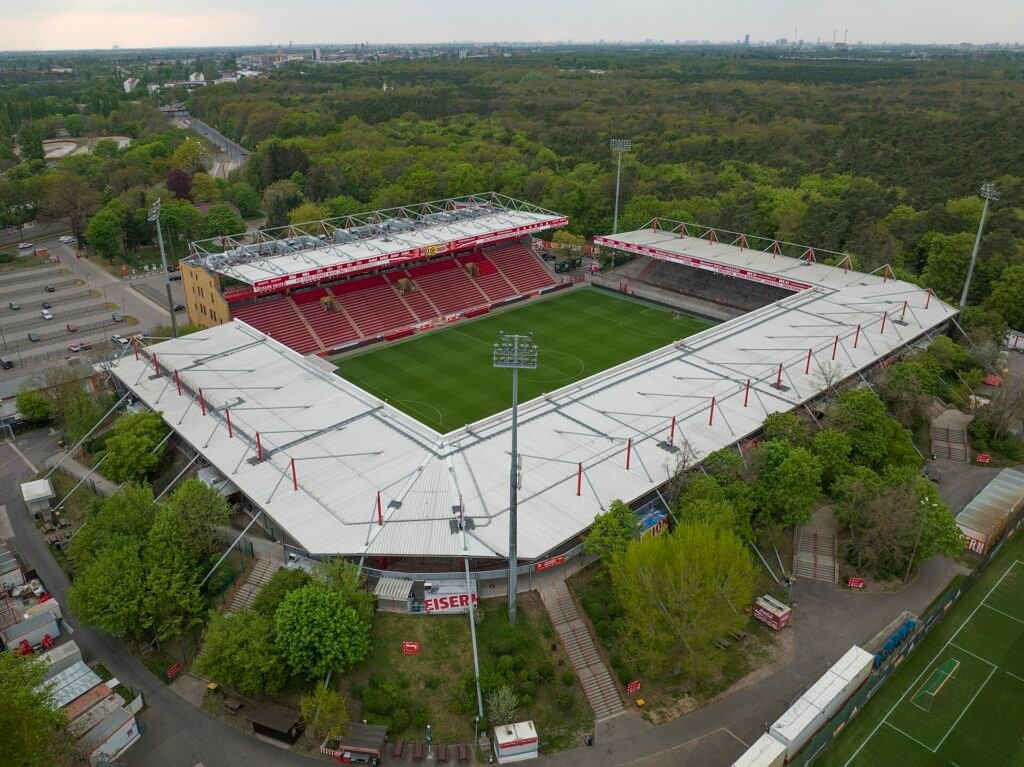
2. Union Berlin, Stadion An der Alten Forsterei
Union Berlin play in a ground that is mostly standing, holding around 22,000 with only a few thousand seats. Standing tickets are among the cheapest in the Bundesliga, costing around €10-15 for a domestic league match. The club has an unusual history that explains its pricing philosophy. Supporters saved the club from bankruptcy in 2004 by volunteering thousands of hours of labour to rebuild the stadium. That community spirit is still present today, and it is reflected in the club’s approach to ticket pricing. Union Berlin believes that football should be accessible to everyone, and it has resisted the trend of rising ticket prices that has affected many other German clubs.
Why Tickets Are So Cheap
The club’s pricing philosophy is rooted in its history. After the fall of the Berlin Wall, Union Berlin was one of the few clubs in East Germany to survive the transition to a market economy. The club was saved by its supporters, who volunteered thousands of hours of labour to rebuild the stadium and keep the club afloat. That community spirit is still present today, and it is reflected in the club’s approach to ticket pricing. The cheapest standing tickets cost around €10-15, while seated tickets start at around €20-25. Season tickets are even cheaper, with the cheapest options costing around €150 for the entire season.
Union Berlin also offers discounted tickets for children, seniors, and disabled supporters, making it one of the most accessible clubs in Germany. The club has a long tradition of keeping prices low, and it has resisted the trend of rising ticket prices that has affected many other European clubs. The result is a crowd that is diverse, passionate, and deeply connected to the club. The atmosphere at the Stadion An der Alten Forsterei is among the best in Germany, and it is a world away from the corporate feel of many modern stadiums.
How to Get the Cheapest Tickets
To get the cheapest tickets, you need to become a club member. Membership costs around €50 per year, and it gives you priority access to tickets before they go on sale to the general public. Members can purchase standing tickets for as little as €10, while non-members typically pay €15-20 for the same tickets. The club also offers a “Union Ticket” scheme for away supporters, which provides discounted tickets for visitors from other clubs. If you are planning a visit, book as early as possible, as tickets for big matches sell out within hours of going on sale.
The ticket usually includes travel on local public transport on matchday, which saves more money again. Beer and food inside the ground are also priced at levels an English supporter would find surprising, with a beer costing around €3 and a bratwurst around €2.50. The stadium is located in the Kopenick district of Berlin, and the surrounding area has several pubs and restaurants that are popular with fans before and after matches. The area is relatively quiet on non-matchdays, but it comes alive on matchdays with Union Berlin supporters.
Visiting and Practical Info
The Stadion An der Alten Forsterei is served by the S-Bahn system, with the Kopenick stop within walking distance. The journey from central Berlin takes approximately thirty minutes. There is also a dedicated bus service from the city centre on matchdays, and several other bus lines stop nearby. If you are driving, there is limited parking available near the stadium, but it fills up quickly on matchdays, so public transport is recommended. The stadium is located in the south-east of Berlin, and the surrounding area has several pubs and restaurants that are popular with fans before and after matches.
The best matches to experience the full Stadion An der Alten Forsterei atmosphere are home games against Bayern Munich, Borussia Dortmund, or RB Leipzig. These fixtures produce the highest noise levels and the most intense visual displays. The club also organises choreography for big matches, with the supporters producing tifo displays that cover the entire stand. If you are planning a visit, book a ticket in the standing sections for the full experience, or in one of the seated sections for a more comfortable view.
3. Celtic Park, Glasgow
Celtic Park holds around 60,000 and is home to Celtic FC. It is known as “Paradise” by the club’s supporters, and the atmosphere on matchday is among the best in Europe. The cheapest tickets cost around £15-20 for a domestic league match, which is among the lowest in top-flight European football. The club has a long tradition of keeping prices low, and it has resisted the trend of rising ticket prices that has affected many other European clubs. The result is a crowd that is diverse, passionate, and deeply connected to the club.
Why Tickets Are So Cheap
Celtic FC is a member-owned club, which means the supporters have a direct stake in the club’s governance. The club is owned by its members, who elect a board of directors to run the club on their behalf. This structure ensures that ticket prices remain affordable for working-class supporters, and it is one of the key reasons why Celtic has the highest average attendance in Scottish football. The club also has a long tradition of community engagement, and it believes that football should be accessible to everyone, regardless of their financial situation.
The cheapest tickets cost around £15-20 for a domestic league match, while seated tickets start at around £25-30. Season tickets are even cheaper, with the cheapest options costing around £250 for the entire season. The club also offers discounted tickets for children, seniors, and disabled supporters, making it one of the most accessible clubs in Europe. The atmosphere at Celtic Park is among the best in Europe, and it is a world away from the corporate feel of many modern stadiums.
How to Get the Cheapest Tickets
To get the cheapest tickets, you need to become a club member. Membership costs around £30 per year, and it gives you priority access to tickets before they go on sale to the general public. Members can purchase tickets for as little as £15, while non-members typically pay £20-25 for the same tickets. The club also offers a “Celtic Ticket” scheme for away supporters, which provides discounted tickets for visitors from other clubs. If you are planning a visit, book as early as possible, as tickets for big matches sell out within hours of going on sale.
The ticket usually includes access to the stadium’s museum and tour, which is a great way to learn about the club’s history before the match. Food and drink inside the ground are also priced at levels an English supporter would find surprising, with a pie costing around £3 and a pint around £4. The stadium is located in the east end of Glasgow, and the surrounding area has several pubs and restaurants that are popular with fans before and after matches. The area is relatively quiet on non-matchdays, but it comes alive on matchdays with Celtic supporters.
Visiting and Practical Info
Celtic Park is served by the Dalmarnock and Parkhead Forge stations on the Argyle Line, both within walking distance of the stadium. The journey from Glasgow city centre takes approximately ten minutes. There is also a dedicated bus service from the city centre on matchdays, and several other bus lines stop nearby. If you are driving, there is limited parking available near the stadium, but it fills up quickly on matchdays, so public transport is recommended. The stadium is located in the east end of Glasgow, and the surrounding area has several pubs and restaurants that are popular with fans before and after matches.
The best matches to experience the full Celtic Park atmosphere are Old Firm derbies against Rangers. These fixtures produce the highest noise levels and the most intense visual displays. The club also organises choreography for big matches, with the Lisbon Road Stand producing tifo displays that cover the entire stand. If you are planning a visit, book a ticket in the Lisbon Road Stand for the full experience, or in one of the adjacent stands for a view of the atmosphere from the side.
4. St James’ Park, Newcastle
St James’ Park holds around 52,000 and is home to Newcastle United. It is one of the most atmospheric stadiums in England, and the noise level on matchday is among the highest in the Premier League. The cheapest tickets cost around £20-30 for a domestic league match, which is among the lowest in the Premier League. The club has a long tradition of keeping prices low, and it has resisted the trend of rising ticket prices that has affected many other English clubs. The result is a crowd that is diverse, passionate, and deeply connected to the club.
Why Tickets Are So Cheap
Newcastle United has a long tradition of community engagement, and it believes that football should be accessible to everyone, regardless of their financial situation. The club has resisted the trend of rising ticket prices that has affected many other English clubs, and it has introduced a price cap on tickets for domestic league matches. The cheapest tickets cost around £20-30, while seated tickets start at around £35-40. Season tickets are even cheaper, with the cheapest options costing around £300 for the entire season. The club also offers discounted tickets for children, seniors, and disabled supporters, making it one of the most accessible clubs in England.
The atmosphere at St James’ Park is among the best in England, and it is a world away from the corporate feel of many modern stadiums. The Gallowgate End is the most vocal section, and it produces an intense atmosphere during high-stakes matches. The sightlines are excellent throughout the stadium, with no obstructed views and a consistent rake that ensures even the highest seats have a good angle on the pitch. The roof covers all seats, which is a significant improvement over older stadiums where weather could be a factor.
How to Get the Cheapest Tickets
To get the cheapest tickets, you need to become a club member. Membership costs around £25 per year, and it gives you priority access to tickets before they go on sale to the general public. Members can purchase tickets for as little as £20, while non-members typically pay £25-30 for the same tickets. The club also offers a “Newcastle Ticket” scheme for away supporters, which provides discounted tickets for visitors from other clubs. If you are planning a visit, book as early as possible, as tickets for big matches sell out within hours of going on sale.
The ticket usually includes access to the stadium’s museum and tour, which is a great way to learn about the club’s history before the match. Food and drink inside the ground are also priced at levels an English supporter would find reasonable, with a pie costing around £4 and a pint around £5. The stadium is located in the city centre of Newcastle, and the surrounding area has several pubs and restaurants that are popular with fans before and after matches. The area is relatively quiet on non-matchdays, but it comes alive on matchdays with Newcastle supporters.
Visiting and Practical Info
St James’ Park is located in the city centre of Newcastle, and it is served by several metro stations that are within walking distance. The journey from central Newcastle takes approximately five minutes. There is also a dedicated bus service from the city centre on matchdays, and several other bus lines stop nearby. If you are driving, there is limited parking available near the stadium, but it fills up quickly on matchdays, so public transport is recommended. The stadium is located in the heart of Newcastle, and the surrounding area has several pubs and restaurants that are popular with fans before and after matches.
The best matches to experience the full St James’ Park atmosphere are Tyne-Wear derbies against Sunderland. These fixtures produce the highest noise levels and the most intense visual displays. The club also organises choreography for big matches, with the Gallowgate End producing tifo displays that cover the entire stand. If you are planning a visit, book a ticket in the Gallowgate End for the full experience, or in one of the adjacent stands for a view of the atmosphere from the side.
5. Molineux, Wolverhampton
Molineux is one of the best value stadiums in the Premier League for families and budget-conscious supporters. The cheapest tickets cost around £20-30 for a domestic league match, which is among the lowest in the Premier League. The club has a long tradition of keeping prices low, and it has resisted the trend of rising ticket prices that has affected many other English clubs. The result is a crowd that is diverse, passionate, and deeply connected to the club. The atmosphere at Molineux is generally good, and it is one of the most characterful stadiums in English football.
Why Tickets Are So Cheap
Wolverhampton Wanderers has a long tradition of community engagement, and it believes that football should be accessible to everyone, regardless of their financial situation. The club has resisted the trend of rising ticket prices that has affected many other English clubs, and it has introduced a price cap on tickets for domestic league matches. The cheapest tickets cost around £20-30, while seated tickets start at around £35-40. Season tickets are even cheaper, with the cheapest options costing around £250 for the entire season. The club also offers discounted tickets for children, seniors, and disabled supporters, making it one of the most accessible clubs in England.
The atmosphere at Molineux is generally good, and it is one of the most characterful stadiums in English football. The Steve Bull Stand is the most vocal section, and it produces an intense atmosphere during high-stakes matches. The sightlines are generally good throughout the stadium, though some seats in the older stands have restricted views due to supporting pillars. The stadium is located in the city centre of Wolverhampton, and the surrounding area has several pubs and restaurants that are popular with fans before and after matches.
How to Get the Cheapest Tickets
To get the cheapest tickets, you need to become a club member. Membership costs around £20 per year, and it gives you priority access to tickets before they go on sale to the general public. Members can purchase tickets for as little as £20, while non-members typically pay £25-30 for the same tickets. The club also offers a “Wolves Ticket” scheme for away supporters, which provides discounted tickets for visitors from other clubs. If you are planning a visit, book as early as possible, as tickets for big matches sell out within hours of going on sale.
The ticket usually includes access to the stadium’s museum and tour, which is a great way to learn about the club’s history before the match. Food and drink inside the ground are also priced at levels an English supporter would find reasonable, with a pie costing around £4 and a pint around £5. The stadium is located in the city centre of Wolverhampton, and the surrounding area has several pubs and restaurants that are popular with fans before and after matches. The area is relatively quiet on non-matchdays, but it comes alive on matchdays with Wolves supporters.
Visiting and Practical Info
Molineux is served by Wolverhampton station, which is within walking distance of the stadium. The journey from the city centre takes approximately ten minutes. There is also a dedicated bus service from the city centre on matchdays, and several other bus lines stop nearby. If you are driving, there is limited parking available near the stadium, but it fills up quickly on matchdays, so public transport is recommended. The stadium is located in the city centre of Wolverhampton, and the surrounding area has several pubs and restaurants that are popular with fans before and after matches.
The best matches to experience the full Molineux atmosphere are home games against Manchester United, Liverpool, or Arsenal. These fixtures produce the highest noise levels and the most intense visual displays. The club also organises choreography for big matches, with the Steve Bull Stand producing tifo displays that cover the entire stand. If you are planning a visit, book a ticket in the Steve Bull Stand for the full experience, or in one of the adjacent stands for a view of the atmosphere from the side.
6. St Mary’s, Southampton
St Mary’s is one of the most family-friendly stadiums in the Premier League, and it is also one of the cheapest. The cheapest tickets cost around £20-30 for a domestic league match, which is among the lowest in the Premier League. The club has a long tradition of community engagement, and it believes that football should be accessible to everyone, regardless of their financial situation. The result is a crowd that is diverse, passionate, and deeply connected to the club. The atmosphere at St Mary’s is generally good, and it is one of the most characterful stadiums in English football.
Why Tickets Are So Cheap
Southampton FC has a long tradition of community engagement, and it believes that football should be accessible to everyone, regardless of their financial situation. The club has resisted the trend of rising ticket prices that has affected many other English clubs, and it has introduced a price cap on tickets for domestic league matches. The cheapest tickets cost around £20-30, while seated tickets start at around £35-40. Season tickets are even cheaper, with the cheapest options costing around £250 for the entire season. The club also offers discounted tickets for children, seniors, and disabled supporters, making it one of the most accessible clubs in England.
The atmosphere at St Mary’s is generally good, and it is one of the most characterful stadiums in English football. The Northam Stand is the most vocal section, and it produces an intense atmosphere during high-stakes matches. The sightlines are excellent throughout the stadium, with no obstructed views and a consistent rake that ensures even the highest seats have a good angle on the pitch. The roof covers all seats, which is a significant improvement over older stadiums where weather could be a factor.
How to Get the Cheapest Tickets
To get the cheapest tickets, you need to become a club member. Membership costs around £20 per year, and it gives you priority access to tickets before they go on sale to the general public. Members can purchase tickets for as little as £20, while non-members typically pay £25-30 for the same tickets. The club also offers a “Saints Ticket” scheme for away supporters, which provides discounted tickets for visitors from other clubs. If you are planning a visit, book as early as possible, as tickets for big matches sell out within hours of going on sale.
The ticket usually includes access to the stadium’s museum and tour, which is a great way to learn about the club’s history before the match. Food and drink inside the ground are also priced at levels an English supporter would find reasonable, with a pie costing around £4 and a pint around £5. The stadium is located in the city centre of Southampton, and the surrounding area has several pubs and restaurants that are popular with fans before and after matches. The area is relatively quiet on non-matchdays, but it comes alive on matchdays with Saints supporters.
Visiting and Practical Info
St Mary’s is served by St Denys station, which is within walking distance of the stadium. The journey from Southampton city centre takes approximately fifteen minutes. There is also a dedicated bus service from the city centre on matchdays, and several other bus lines stop nearby. If you are driving, there is limited parking available near the stadium, but it fills up quickly on matchdays, so public transport is recommended. The stadium is located in the city centre of Southampton, and the surrounding area has several pubs and restaurants that are popular with fans before and after matches.
The best matches to experience the full St Mary’s atmosphere are home games against Manchester United, Liverpool, or Arsenal. These fixtures produce the highest noise levels and the most intense visual displays. The club also organises choreography for big matches, with the Northam Stand producing tifo displays that cover the entire stand. If you are planning a visit, book a ticket in the Northam Stand for the full experience, or in one of the adjacent stands for a view of the atmosphere from the side.
7. King Power Stadium, Leicester
The King Power Stadium is one of the most compact stadiums in the Premier League, which means the atmosphere is intense but the facilities are modern and well organised. The cheapest tickets cost around £20-30 for a domestic league match, which is among the lowest in the Premier League. The club has a long tradition of community engagement, and it believes that football should be accessible to everyone, regardless of their financial situation. The result is a crowd that is diverse, passionate, and deeply connected to the club. The atmosphere at the King Power Stadium is generally good, and it is one of the most characterful stadiums in English football.
Why Tickets Are So Cheap
Leicester City has a long tradition of community engagement, and it believes that football should be accessible to everyone, regardless of their financial situation. The club has resisted the trend of rising ticket prices that has affected many other English clubs, and it has introduced a price cap on tickets for domestic league matches. The cheapest tickets cost around £20-30, while seated tickets start at around £35-40. Season tickets are even cheaper, with the cheapest options costing around £250 for the entire season. The club also offers discounted tickets for children, seniors, and disabled supporters, making it one of the most accessible clubs in England.
The atmosphere at the King Power Stadium is generally good, and it is one of the most characterful stadiums in English football. The David Narey Stand is the most vocal section, and it produces an intense atmosphere during high-stakes matches. The sightlines are excellent throughout the stadium, with no obstructed views and a consistent rake that ensures even the highest seats have a good angle on the pitch. The roof covers all seats, which is a significant improvement over older stadiums where weather could be a factor.
How to Get the Cheapest Tickets
To get the cheapest tickets, you need to become a club member. Membership costs around £20 per year, and it gives you priority access to tickets before they go on sale to the general public. Members can purchase tickets for as little as £20, while non-members typically pay £25-30 for the same tickets. The club also offers a “Foxes Ticket” scheme for away supporters, which provides discounted tickets for visitors from other clubs. If you are planning a visit, book as early as possible, as tickets for big matches sell out within hours of going on sale.
The ticket usually includes access to the stadium’s museum and tour, which is a great way to learn about the club’s history before the match. Food and drink inside the ground are also priced at levels an English supporter would find reasonable, with a pie costing around £4 and a pint around £5. The stadium is located in the city centre of Leicester, and the surrounding area has several pubs and restaurants that are popular with fans before and after matches. The area is relatively quiet on non-matchdays, but it comes alive on matchdays with Leicester supporters.
Visiting and Practical Info
The King Power Stadium is served by Leicester station, which is within walking distance of the stadium. The journey from the city centre takes approximately ten minutes. There is also a dedicated bus service from the city centre on matchdays, and several other bus lines stop nearby. If you are driving, there is limited parking available near the stadium, but it fills up quickly on matchdays, so public transport is recommended. The stadium is located in the city centre of Leicester, and the surrounding area has several pubs and restaurants that are popular with fans before and after matches.
The best matches to experience the full King Power Stadium atmosphere are home games against Manchester United, Liverpool, or Arsenal. These fixtures produce the highest noise levels and the most intense visual displays. The club also organises choreography for big matches, with the David Narey Stand producing tifo displays that cover the entire stand. If you are planning a visit, book a ticket in the David Narey Stand for the full experience, or in one of the adjacent stands for a view of the atmosphere from the side.
8. Estadio da Luz, Lisbon
Estadio da Luz holds around 64,000 and is home to Benfica. It is one of the largest stadiums in Europe, and the atmosphere on matchday is among the best in Portugal. The cheapest tickets cost around €15-25 for a domestic league match, which is among the lowest in top-flight European football. The club has a long tradition of keeping prices low, and it has resisted the trend of rising ticket prices that has affected many other European clubs. The result is a crowd that is diverse, passionate, and deeply connected to the club.
Why Tickets Are So Cheap
Benfica is a member-owned club, which means the supporters have a direct stake in the club’s governance. The club is owned by its members, who elect a board of directors to run the club on their behalf. This structure ensures that ticket prices remain affordable for working-class supporters, and it is one of the key reasons why Benfica has the highest average attendance in Portuguese football. The club also has a long tradition of community engagement, and it believes that football should be accessible to everyone, regardless of their financial situation.
The cheapest tickets cost around €15-25 for a domestic league match, while seated tickets start at around €30-40. Season tickets are even cheaper, with the cheapest options costing around €200 for the entire season. The club also offers discounted tickets for children, seniors, and disabled supporters, making it one of the most accessible clubs in Europe. The atmosphere at Estadio da Luz is among the best in Europe, and it is a world away from the corporate feel of many modern stadiums.
How to Get the Cheapest Tickets
To get the cheapest tickets, you need to become a club member. Membership costs around €50 per year, and it gives you priority access to tickets before they go on sale to the general public. Members can purchase tickets for as little as €15, while non-members typically pay €20-25 for the same tickets. The club also offers a “Benfica Ticket” scheme for away supporters, which provides discounted tickets for visitors from other clubs. If you are planning a visit, book as early as possible, as tickets for big matches sell out within hours of going on sale.
The ticket usually includes access to the stadium’s museum and tour, which is a great way to learn about the club’s history before the match. Food and drink inside the ground are also priced at levels an English supporter would find surprising, with a beer costing around €3 and a bifana (pork sandwich) around €4. The stadium is located in the north of Lisbon, and the surrounding area has several pubs and restaurants that are popular with fans before and after matches. The area is relatively quiet on non-matchdays, but it comes alive on matchdays with Benfica supporters.
Visiting and Practical Info
Estadio da Luz is served by the Alto dos Moinhos station on the Lisbon Metro, which is within walking distance of the stadium. The journey from central Lisbon takes approximately twenty minutes. There is also a dedicated bus service from the city centre on matchdays, and several other bus lines stop nearby. If you are driving, there is parking available but it fills up quickly on matchdays, so public transport is recommended. The stadium is located in the north of Lisbon, and the surrounding area has several pubs and restaurants that are popular with fans before and after matches.
The best matches to experience the full Estadio da Luz atmosphere are home games against Porto or Sporting CP. These fixtures produce the highest noise levels and the most intense visual displays. The club also organises choreography for big matches, with the supporters producing tifo displays that cover the entire stand. If you are planning a visit, book a ticket in the stands behind the goals for the full experience, or in one of the side stands for a view of the atmosphere from the side.
9. Stadion Feijenoord, Rotterdam
Stadion Feijenoord, also known as “De Kuip,” holds around 51,000 and is home to Feyenoord. It is one of the most atmospheric stadiums in the Netherlands, and the noise level on matchday is among the highest in the Eredivisie. The cheapest tickets cost around €15-25 for a domestic league match, which is among the lowest in top-flight European football. The club has a long tradition of keeping prices low, and it has resisted the trend of rising ticket prices that has affected many other European clubs. The result is a crowd that is diverse, passionate, and deeply connected to the club.
Why Tickets Are So Cheap
Feyenoord is a member-owned club, which means the supporters have a direct stake in the club’s governance. The club is owned by its members, who elect a board of directors to run the club on their behalf. This structure ensures that ticket prices remain affordable for working-class supporters, and it is one of the key reasons why Feyenoord has the highest average attendance in Dutch football. The club also has a long tradition of community engagement, and it believes that football should be accessible to everyone, regardless of their financial situation.
The cheapest tickets cost around €15-25 for a domestic league match, while seated tickets start at around €30-40. Season tickets are even cheaper, with the cheapest options costing around €200 for the entire season. The club also offers discounted tickets for children, seniors, and disabled supporters, making it one of the most accessible clubs in Europe. The atmosphere at Stadion Feijenoord is among the best in Europe, and it is a world away from the corporate feel of many modern stadiums.
How to Get the Cheapest Tickets
To get the cheapest tickets, you need to become a club member. Membership costs around €50 per year, and it gives you priority access to tickets before they go on sale to the general public. Members can purchase tickets for as little as €15, while non-members typically pay €20-25 for the same tickets. The club also offers a “Feyenoord Ticket” scheme for away supporters, which provides discounted tickets for visitors from other clubs. If you are planning a visit, book as early as possible, as tickets for big matches sell out within hours of going on sale.
The ticket usually includes access to the stadium’s museum and tour, which is a great way to learn about the club’s history before the match. Food and drink inside the ground are also priced at levels an English supporter would find surprising, with a beer costing around €3 and a kroket around €3.50. The stadium is located in the south of Rotterdam, and the surrounding area has several pubs and restaurants that are popular with fans before and after matches. The area is relatively quiet on non-matchdays, but it comes alive on matchdays with Feyenoord supporters.
Visiting and Practical Info
Stadion Feijenoord is served by the Zuid station on the Rotterdam Metro, which is within walking distance of the stadium. The journey from central Rotterdam takes approximately fifteen minutes. There is also a dedicated bus service from the city centre on matchdays, and several other bus lines stop nearby. If you are driving, there is parking available but it fills up quickly on matchdays, so public transport is recommended. The stadium is located in the south of Rotterdam, and the surrounding area has several pubs and restaurants that are popular with fans before and after matches.
The best matches to experience the full Stadion Feijenoord atmosphere are home games against Ajax or PSV. These fixtures produce the highest noise levels and the most intense visual displays. The club also organises choreography for big matches, with the supporters producing tifo displays that cover the entire stand. If you are planning a visit, book a ticket in the stands behind the goals for the full experience, or in one of the side stands for a view of the atmosphere from the side.
10. San Siro, Milan
The San Siro holds around 75,000 and is shared by two clubs, AC Milan and Inter Milan. That sharing arrangement is unusual for a ground of this size and gives it a split identity. The cheapest tickets cost around €20-30 for a domestic league match, which is among the lowest in top-flight European football. The stadium is officially named the Stadio Giuseppe Meazza, after the Italian footballer who played for both clubs, but it is universally known as the San Siro after the district of Milan where it is located. The atmosphere at the San Siro is among the best in Italy, with both sets of supporters known for their passionate and vocal support.
Why Tickets Are So Cheap
Italian football has a long tradition of keeping prices low, and the San Siro is no exception. The cheapest tickets cost around €20-30 for a domestic league match, while seated tickets start at around €35-40. Season tickets are even cheaper, with the cheapest options costing around €250 for the entire season. Both clubs offer discounted tickets for children, seniors, and disabled supporters, making the San Siro one of the most accessible stadiums in Europe. The atmosphere at the San Siro is among the best in Europe, and it is a world away from the corporate feel of many modern stadiums.
The steepness of the stands helps create an intense atmosphere, as the noise is trapped and reflected back onto the pitch. The Curva Sud, home to AC Milan’s most vocal supporters, and the Curva Nord, home to Inter’s most vocal supporters, are both steep and close to the pitch, and they produce a sustained wall of sound throughout the match. The combination of the steep stands and the passionate supporters creates an atmosphere that is both loud and intimidating.
How to Get the Cheapest Tickets
To get the cheapest tickets, you need to purchase them directly from the club’s official website. Both AC Milan and Inter Milan offer tickets for their home matches, and the cheapest options are usually available in the upper tiers of the stadium. Members of both clubs receive priority access to tickets before they go on sale to the general public, and they can purchase tickets for as little as €20, while non-members typically pay €25-30 for the same tickets. If you are planning a visit, book as early as possible, as tickets for big matches sell out within hours of going on sale.
The ticket usually includes access to the stadium’s museum and tour, which is a great way to learn about the history of both clubs before the match. Food and drink inside the ground are also priced at levels an English supporter would find surprising, with a beer costing around €4 and a panino around €5. The stadium is located in the San Siro district of Milan, and the surrounding area has several pubs and restaurants that are popular with fans before and after matches. The area is relatively quiet on non-matchdays, but it comes alive on matchdays with fans from both clubs.
Visiting and Practical Info
The San Siro is served by the M5 metro line, with the San Siro Stadio stop directly outside the stadium. The journey from central Milan takes approximately twenty minutes. There is also a dedicated tram service from the city centre, and several bus lines stop nearby. If you are driving, there is parking available but it fills up quickly on matchdays, so public transport is recommended. The stadium is located in the San Siro district of Milan, and the surrounding area has several restaurants and bars that are popular with fans before and after matches.
The best matches to experience the full San Siro atmosphere are Milan derbies between AC Milan and Inter Milan. These fixtures produce the highest noise levels and the most intense visual displays. Both clubs organise choreography for big matches, with the Curva Sud and Curva Nord producing tifo displays that cover the entire stand. If you are planning a visit, book a ticket in the Curva Sud for an AC Milan match or the Curva Nord for an Inter match, where the noise is most concentrated.
How to Choose the Right Stadium for Your Budget
With ten excellent options to choose from, deciding which stadium to visit can be challenging. The best choice depends on your budget, the cities you plan to visit, and the type of atmosphere you are looking for. If you are on a tight budget, Signal Iduna Park and the Stadion An der Alten Forsterei offer the best value for money, with tickets costing as little as €10-20. If you want to experience the best atmosphere in Europe, Celtic Park and St James’ Park are the standout options, with noise levels that are among the highest in the continent.
For first-time visitors to European football, we recommend starting with one of the German stadiums, as Signal Iduna Park and the Stadion An der Alten Forsterei are both easily accessible and offer excellent value. If you are visiting the UK, Celtic Park and St James’ Park are both world-class experiences that should not be missed. For those interested in the history of the game, the San Siro and Estadio da Luz offer the most compelling narratives, with atmospheres that have been shaping football culture for over a century. And for those who want to see a stadium that is truly unique, the King Power Stadium offers a glimpse into the magic of Leicester City’s 2016 Premier League title win.
Regardless of which stadium you choose, book your tickets well in advance, check the fixture calendar before travelling, and allow more time than you think you need to get to the ground. These three simple steps will ensure that your matchday experience is as enjoyable and memorable as possible. And if you have the time and the budget, consider visiting more than one — each stadium offers a unique perspective on the game, and together they provide a comprehensive understanding of football culture around the world.
📚 From the Blog
Image credit: Arne Müseler / Wikimedia Commons (CC BY-SA 3.0 de)