
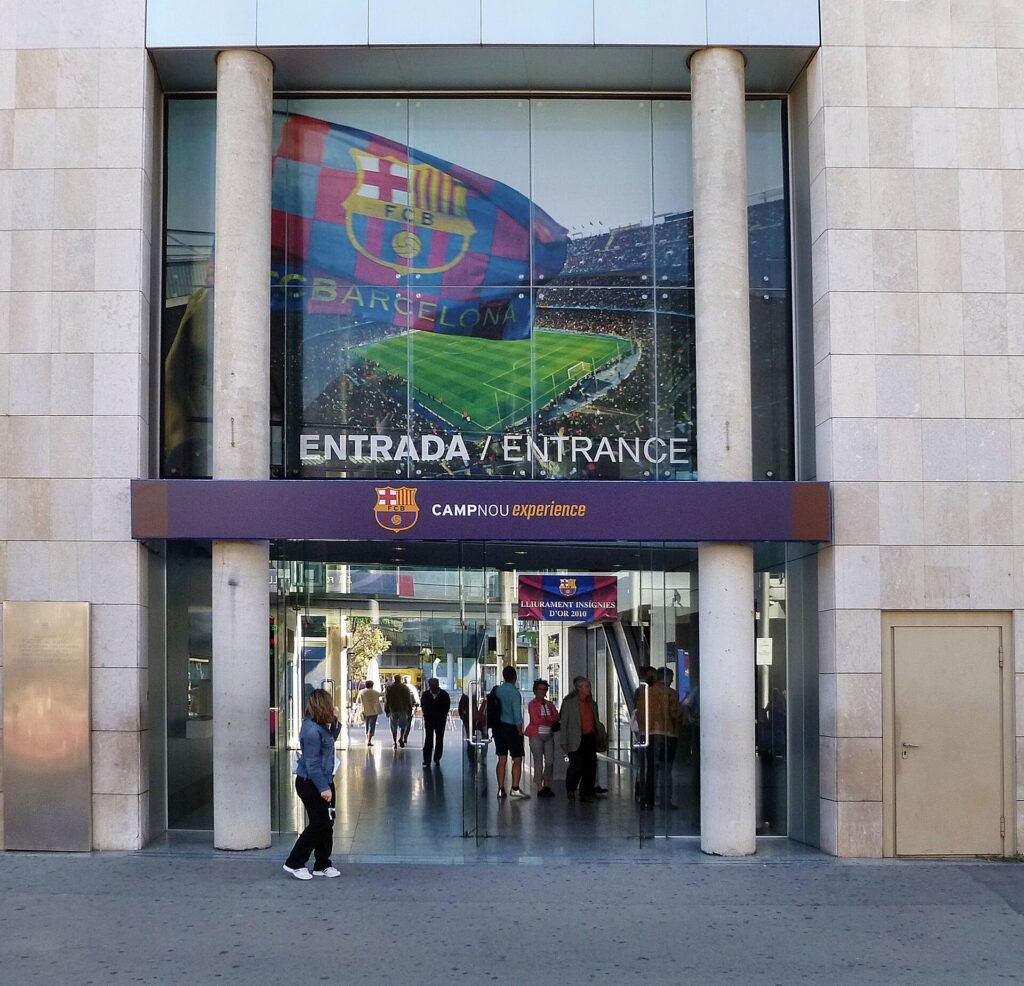
A stadium tour lets you see inside a famous ground without needing a match ticket. You walk through the tunnel, sit in the dressing room, stand at the edge of the pitch, and go into parts of the building that supporters never see on a matchday. For many football fans, this is the closest they will ever get to experiencing what it feels like to be a player on matchday.
For a lot of people this is actually the better option than attending a live match. Tours cost less than a ticket to a big fixture, they run on most days of the week, they take about ninety minutes, and you are not fighting through a crowd of sixty thousand people. You also get access to areas that are completely off-limits during a match, including the dressing rooms, the press conference room, and the directors’ box.
This guide covers ten of the most worthwhile stadium tours across Europe, what each one includes, roughly what it costs, and the practical rules that catch people out when they turn up expecting to get in. We have visited every stadium on this list and ranked them based on the quality of the tour experience, the historical significance of the ground, the value for money, and the accessibility for visitors travelling from abroad.
Whether you are a die-hard supporter of one of these clubs or simply a football fan visiting a new city, a stadium tour offers a unique perspective on the game. You will understand the architecture, the history, and the culture of each club in a way that watching from the stands simply cannot provide. The best tours combine museum-quality exhibits with genuine behind-the-scenes access, and the ones on this list deliver on both fronts.
Quick Comparison: Stadium Tours at a Glance
Before diving into the detailed reviews, here is a quick comparison of all ten tours to help you decide which one fits your budget, schedule, and interests. Prices are approximate and based on adult standard tour tickets as of 2026. Always check the official club website for current pricing and availability.
| Stadium | City | Tour Price | Duration | Best For |
|---|---|---|---|---|
| Camp Nou | Barcelona | €28-35 | 90-120 min | History & culture |
| Santiago Bernabeu | Madrid | €25-30 | 75-90 min | Trophy collection |
| Old Trafford | Manchester | £25-30 | 80-90 min | Museum quality |
| Anfield | Liverpool | £25-30 | 80-90 min | Atmosphere & history |
| Tottenham Hotspur Stadium | London | £25-30 | 75-90 min | Modern architecture |
| Wembley Stadium | London | £25-30 | 75-90 min | Iconic occasions |
| San Siro | Milan | €20-25 | 75-90 min | Two-club history |
| Allianz Arena | Munich | €18-22 | 75-90 min | Value for money |
| Celtic Park | Glasgow | £15-18 | 60-75 min | Budget-friendly |
| Johan Cruyff Arena | Amsterdam | €18-22 | 75-90 min | Youth academy |
As you can see, prices range from around £15 for Celtic Park to €35 for Camp Nou during peak season. The duration is fairly consistent across all tours at 75-120 minutes, though Camp Nou and Old Trafford tend to run longer due to their extensive museum sections. The “Best For” column highlights what makes each tour unique, which should help you prioritise based on your interests.
1. Camp Nou, Barcelona
The Camp Nou experience is one of the most visited paid attractions in Barcelona, competing with the city’s museums and cathedrals for visitor numbers. With a capacity of over 99,000, it is the largest stadium in Europe and the tour reflects that scale. The sheer size of the building is the first thing that strikes you, and standing on the pitchside looking up at the stands gives you a genuine sense of what it means to play here.
What You Will See on the Tour
The tour combines the stadium with a large museum covering the club’s history, its trophies and its relationship with Catalan identity. That last part is unusual and genuinely compelling. Most club museums are about football, while this one places the club within a political and cultural story, which makes it more interesting than a trophy display. The museum section alone can take an hour, and it is included in the tour price.
You walk through the players’ tunnel, visit the home and away dressing rooms, and stand pitchside where you can sit in the dugout. The press conference room is also included, and you get to sit in the chair where managers face the media after every match. The tour route has been redesigned during the stadium redevelopment, so the exact path may vary depending on which sections are accessible at the time of your visit.
Tour Cost, Duration and Booking
The standard adult tour costs between €28 and €35 depending on the season, with peak summer prices at the higher end. Children under six go free, and reduced prices are available for children aged six to thirteen and for seniors over sixty-five. The tour takes approximately ninety minutes for the stadium portion, but you should allow at least two hours total because the museum section is substantial and most visitors want to spend time there.
Because the ground is being redeveloped, the route changes depending on which parts of the stadium are accessible. Check what is currently included before booking, because at some stages of the work the pitchside access has been limited. Book directly through the FC Barcelona website to avoid third-party markups, and reserve a specific time slot in advance, especially during summer and holiday periods when tours sell out days ahead.
Getting There and Practical Tips
Camp Nou is served by the L3 and L5 metro lines, with Collblanc and Badal stations both within walking distance. The stadium is also accessible by bus, and there is a dedicated tourist bus stop nearby. If you are driving, parking is available but expensive and often full on matchdays, so public transport is strongly recommended.
The tour is available in multiple languages, with audio guides in English, Spanish, Catalan, French, German, Italian, Portuguese, Japanese, Chinese and Korean. The audio guide is included in the tour price and is essential for non-Spanish speakers, as the live guides primarily speak Spanish and Catalan. Wheelchair access is available on most of the route, though some older sections of the museum may have limited accessibility during the redevelopment.
2. Santiago Bernabeu, Madrid
Real Madrid’s tour is built around the trophy room, and for good reason. The club has won more European Cups than any other, and seeing them collected in one place is the centrepiece of the visit. The trophy room alone is worth the price of admission, with fourteen European Cup trophies displayed alongside dozens of domestic and international honours. It is a genuinely overwhelming collection that no other club museum can match.
What You Will See on the Tour
The tour has been rebuilt alongside the stadium redevelopment and now includes more interactive sections than the old version. You get panoramic views from the upper tier, access to the dressing room and the tunnel, and a walk along the edge of the pitch. The new interactive areas include a virtual reality experience that lets you relive famous goals and a touch-screen display where you can explore the club’s history in detail.
The dressing room is the highlight for most visitors. Seeing the names above each player’s locker, the tactical boards on the walls, and the shower areas gives you a real sense of what it is like to prepare for a match at the highest level. The tunnel walk is equally impressive, with the famous “Hala Madrid” inscription on the walls and the view of the pitch opening up as you emerge.
Tour Cost, Duration and Booking
The standard adult tour costs between €25 and €30, with children under five going free and reduced prices for children and seniors. The tour takes approximately seventy-five to ninety minutes, though the interactive sections can extend this if you want to spend time with each exhibit. The tour runs every day except matchdays and the day before major fixtures, with departures every fifteen to twenty minutes during peak hours.
It is well organised and runs frequently, but it is also busy. Booking a specific time slot online is strongly recommended, particularly in summer and during Champions League weeks when the stadium attracts visitors from across Europe. The club website offers a combined ticket that includes the tour and museum access, which is the best value option. Third-party resellers charge a premium and sometimes sell slots that are already fully booked.
Getting There and Practical Tips
Santiago Bernabeu metro station is directly outside the stadium on Line 10, which makes it one of the easiest attractions in Madrid to reach. The station has been renamed “Santiago Bernabeu” from its former name, so look for the stadium signage. Multiple bus lines also stop nearby, and the stadium is within walking distance of the city centre if you are staying in the central districts.
The tour is available with audio guides in English, Spanish, French, German, Italian, Portuguese, Russian, Arabic, Chinese and Japanese. The audio guide is included in the tour price and is essential for understanding the historical context of the trophy room and the museum exhibits. Photography is permitted throughout the tour, and there are several designated photo spots that offer excellent views of the pitch and the stands.
3. Old Trafford, Manchester
The Manchester United tour combines the museum, the dressing rooms, the tunnel and a seat in the dugout. The museum is one of the oldest club museums in the world, opening in 1986, and it has a genuinely strong collection that covers every era of the club’s history. The historical content is the strength here, and it is handled with a level of depth and respect that sets it apart from many other club museums.
What You Will See on the Tour
The historical content is the strength here. The Munich air disaster of 1958, the club’s rebuilding afterwards, and the success that followed are covered properly rather than skimmed. The museum dedicates an entire section to the Busby Babes and the tragedy that reshaped the club, and it is handled with the sensitivity and detail that such a subject deserves. This is not a museum that glosses over difficult history, and that honesty makes it more compelling.
Walking out through the tunnel to pitchside is the moment most people remember. The stadium is large enough that the view from the edge of the pitch is genuinely striking, and sitting in the dugout where Sir Alex Ferguson stood for twenty-six years is a moment that resonates with any football fan. The press conference room is also included, and you get to sit at the table where managers face the media after every match.
Tour Cost, Duration and Booking
The standard adult tour costs between £25 and £30, with children under five going free and reduced prices for children aged five to fifteen and for seniors over sixty-five. The tour takes approximately eighty to ninety minutes, though the museum section can easily add another hour if you want to explore the exhibits in detail. The museum is included in the tour price, and most visitors spend at least forty-five minutes there.
Tours do not run on matchdays and are limited the day before big fixtures, so check the calendar before travelling. Book directly through the Manchester United website to get the best price and to ensure your slot is confirmed. The club offers a combined ticket that includes the tour, museum access, and a meal at the Red Cafe, which is good value if you plan to eat at the stadium anyway. Tours run every fifteen minutes during peak hours and every thirty minutes during quieter periods.
Getting There and Practical Tips
Old Trafford is served by the Metrolink tram system, with the Old Trafford stop directly outside the stadium. Trams run from Manchester city centre every six to twelve minutes, and the journey takes approximately fifteen minutes. The stadium is also accessible by bus, with several routes stopping nearby. If you are driving, there is parking available but it fills up quickly on matchdays, so public transport is the recommended option.
The tour is available with audio guides in English, Spanish, French, German, Italian, Portuguese, Arabic, Chinese and Japanese. The audio guide is included in the tour price and provides detailed commentary on each section of the museum and the stadium. Photography is permitted throughout the tour, and there are several excellent photo opportunities, particularly from the tunnel and the dugout. The stadium shop is located at the end of the tour route, so you will pass through it on your way out.
4. Anfield, Liverpool
Liverpool’s tour includes the tunnel and the famous sign above it that players touch on the way out, which is the single most photographed part of the ground. The “This Is Anfield” sign has become an iconic symbol of the club, and seeing it in person is a moment that resonates with any football fan who has watched Liverpool play on television. The tour is built around this moment, and the club has designed the route to maximise its impact.
What You Will See on the Tour
The museum covers the club’s European history, its managers, and the Hillsborough disaster. That last section is handled seriously and respectfully, and it is an important part of understanding the club. The Hillsborough exhibit is not a display of trophies or memorabilia — it is a memorial that honours the ninety-seven fans who lost their lives, and it is one of the most moving sections of any club museum in the world. The club’s approach to this subject is exemplary, and it sets a standard that other clubs should follow.
The tour also gives access to the Main Stand, which was rebuilt in 2016 and offers a view over the whole ground. The Main Stand is one of the most impressive pieces of stadium architecture in England, and seeing it from the inside gives you an appreciation for the scale of the redevelopment. The dressing rooms are modern and well equipped, and the tunnel walk is the highlight for most visitors. Sitting in the dugout where Jurgen Klopp stood during his transformative years at the club is a moment that many fans will remember for the rest of their lives.
Tour Cost, Duration and Booking
The standard adult tour costs between £25 and £30, with children under five going free and reduced prices for children aged five to fifteen and for seniors over sixty-five. The tour takes approximately eighty to ninety minutes, though the museum section can add another hour if you want to explore the exhibits in detail. The museum is included in the tour price, and most visitors spend at least forty minutes there.
Tours run every day except matchdays and the day before major fixtures. Book directly through the Liverpool FC website to get the best price and to ensure your slot is confirmed. The club offers a combined ticket that includes the tour and museum access, which is the standard option. Tours run every twenty minutes during peak hours and every thirty minutes during quieter periods. The stadium is less crowded than some of the bigger European tours, so you can often book on shorter notice, but advance booking is still recommended during summer and holiday periods.
Getting There and Practical Tips
Anfield is not next to a station, so plan the journey. Buses run from the city centre and taxis are straightforward. The most convenient option is the number 26 bus from Liverpool city centre, which stops directly outside the stadium. The journey takes approximately twenty minutes. There is also a dedicated matchday shuttle service from Lime Street station, but this does not run on non-matchdays. If you are driving, there is limited parking available near the stadium, but it fills up quickly, so public transport is recommended.
The tour is available with audio guides in English, Spanish, French, German, Italian, Portuguese, Arabic, Chinese and Japanese. The audio guide is included in the tour price and provides detailed commentary on each section of the museum and the stadium. Photography is permitted throughout the tour, and the “This Is Anfield” sign is the most popular photo spot. The stadium shop is located at the end of the tour route, and it is one of the largest club shops in England, so allow time to browse if you are interested in merchandise.
5. Tottenham Hotspur Stadium, London
This is the most modern tour on the list, and the stadium itself is the attraction rather than the history. Opened in 2019, the Tottenham Hotspur Stadium is one of the most technologically advanced football grounds in the world, and the tour reflects that. You see the retractable pitch mechanism, the dressing rooms, the tunnel, and the media areas. The building has features no other football ground has, including a synthetic surface stored beneath the grass pitch for American football fixtures.
What You Will See on the Tour
The retractable pitch mechanism is the standout feature. The stadium can switch between a grass pitch for football and a synthetic surface for NFL games, and the tour explains how this engineering feat works. Seeing the pitch sections move is genuinely impressive, and it is something you will not see at any other football stadium in Europe. The tour also covers the microbrewery on site, which is the first of its kind at a football stadium, and the sky walk that runs along the perimeter of the roof.
There is also a rooftop walk called the Dare Skywalk, which takes you up the outside of the stadium to the top of the roof. It costs extra and is booked separately, but it is unlike anything else offered at a football ground in England. The sky walk includes a section where you lean over the edge of the roof with only a harness between you and the ground, and it is an adrenaline rush that appeals to visitors of all ages. The standard tour does not include the sky walk, but it is worth considering if you want the full experience.
Tour Cost, Duration and Booking
The standard adult tour costs between £25 and £30, with children under five going free and reduced prices for children aged five to fifteen and for seniors over sixty-five. The Dare Skywalk costs an additional £35-45 per person and must be booked separately. The standard tour takes approximately seventy-five to ninety minutes, and the sky walk adds another forty-five minutes. The tour runs every day except matchdays and the day before major fixtures, with departures every twenty minutes during peak hours.
Because the stadium is new, the tour is polished and efficient. If you have children who are more interested in the building than the club, this is the best choice. The interactive sections and the modern facilities make it particularly appealing to younger visitors. Book directly through the Tottenham Hotspur website to get the best price and to ensure your slot is confirmed. The stadium is less crowded than some of the older London tours, so you can often book on shorter notice, but advance booking is still recommended during summer and holiday periods.
Getting There and Practical Tips
The stadium is served by White Hart Lane station on the London Overground, which is directly outside the ground. The journey from central London takes approximately twenty-five minutes. There is also a dedicated shuttle bus service from Tottenham Hale station, which is on the Victoria Line. If you are driving, there is no parking available at the stadium, so public transport is the only realistic option. The stadium is located in north London, and the surrounding area has been redeveloped as part of the Northumberland Development Project.
The tour is available with audio guides in English, Spanish, French, German, Italian, Portuguese, Arabic, Chinese and Japanese. The audio guide is included in the tour price and provides detailed commentary on the stadium’s architecture, the retractable pitch mechanism, and the club’s history. Photography is permitted throughout the tour, and there are several excellent photo opportunities, particularly from the sky walk and the pitchside area. The stadium shop is located at the end of the tour route, and it is one of the most modern club shops in England.
6. Wembley Stadium, London
Wembley’s tour is about occasions rather than a single club. You visit the dressing rooms, the tunnel, the pitch and the royal box where trophies are lifted. Standing where cup finals are decided is the point of it. For anyone who has watched an FA Cup final on television, seeing the steps up to the presentation area in person is the moment that lands. The tour is designed to recreate that feeling, and it succeeds better than any other stadium tour in England.
What You Will See on the Tour
The tour covers the history of the old Wembley and the building of the new one, including the arch. The arch is the defining feature of the stadium, and the tour explains how it was engineered and what it means to the building’s structural integrity. You walk through the tunnel where players emerge for cup finals, visit the dressing rooms where teams prepare for the biggest matches in English football, and stand on the pitch where history has been made. The royal box is also included, and you get to sit in the seats where the royal family presents the trophies.
The museum section covers the history of English football, from the first FA Cup final in 1872 to the present day. It is not a club museum, so it does not focus on a single team, but rather on the national game and the occasions that have defined it. The exhibit on the 1966 World Cup final is particularly strong, and it includes original footage, photographs and memorabilia from the match. The tour also covers the rebuilding of Wembley after the old stadium was demolished in 2003, and the engineering challenges that came with constructing the new arch.
Tour Cost, Duration and Booking
The standard adult tour costs between £25 and £30, with children under five going free and reduced prices for children aged five to fifteen and for seniors over sixty-five. The tour takes approximately seventy-five to ninety minutes, and the museum section is included in the tour price. Most visitors spend at least thirty minutes in the museum, so allow extra time if you want to explore the exhibits in detail. The tour runs every day except when the stadium is hosting an event, and availability is limited because the stadium hosts a wide range of events beyond football.
Availability is limited because the stadium hosts a wide range of events beyond football, so check the calendar well in advance. Wembley hosts FA Cup finals, League Cup finals, play-off finals, international matches, concerts and other events, and the tour is not available on any of these days. Book directly through the Wembley Stadium website to get the best price and to ensure your slot is confirmed. The stadium offers a combined ticket that includes the tour and a meal at one of the on-site restaurants, which is good value if you plan to eat at the stadium anyway.
Getting There and Practical Tips
Wembley Park station is directly outside the stadium on the Jubilee and Metropolitan lines. The journey from central London takes approximately twenty minutes. There is also a dedicated shuttle bus service from central London on event days, but this does not run on non-event days. If you are driving, there is parking available but it is expensive and often full on event days, so public transport is strongly recommended. The stadium is located in north-west London, and the surrounding area has been redeveloped as part of the Wembley regeneration project.
The tour is available with audio guides in English, Spanish, French, German, Italian, Portuguese, Arabic, Chinese and Japanese. The audio guide is included in the tour price and provides detailed commentary on the stadium’s architecture, the history of English football, and the occasions that have been hosted at Wembley. Photography is permitted throughout the tour, and there are several excellent photo opportunities, particularly from the royal box and the pitchside area. The stadium shop is located at the end of the tour route, and it is one of the largest sports shops in England.
7. San Siro, Milan
The San Siro tour is unusual because the ground is shared by two clubs, and the museum covers both AC Milan and Inter Milan. Seeing two rival histories presented side by side in one building is genuinely interesting, and it is something no other stadium tour offers. The museum is divided into two sections, one for each club, and you can see the trophies, memorabilia and history of both teams in a single visit. This dual perspective makes the San Siro tour unique among European stadium tours.
What You Will See on the Tour
You also get to walk up the famous spiral ramps on the outside of the ground, which are one of the most distinctive pieces of stadium architecture anywhere. The ramps were designed by the architect Giuseppe Meazza, after whom the stadium is officially named, and they are an iconic feature of the building. Walking up the ramps gives you a view over the city of Milan and a sense of the scale of the stadium that you cannot get from the inside. The ramps are also a popular photo spot, and many visitors take pictures here before or after the tour.
The building is old and the facilities show it, so this is a tour about atmosphere and history rather than modern presentation. The dressing rooms are functional rather than luxurious, and the tunnel is narrow and atmospheric. The pitchside area offers a view of the stands that is genuinely striking, and the sense of history is palpable. Both clubs have discussed replacing the stadium, so it may not be available indefinitely. If you are interested in football architecture and history, this is a tour you should not miss.
Tour Cost, Duration and Booking
The standard adult tour costs between €20 and €25, making it one of the cheapest options on this list. Children under six go free, and reduced prices are available for children aged six to thirteen and for seniors over sixty-five. The tour takes approximately seventy-five to ninety minutes, and the museum section is included in the tour price. Most visitors spend at least thirty minutes in the museum, so allow extra time if you want to explore the exhibits in detail. The tour runs every day except matchdays and the day before major fixtures, with departures every thirty minutes during peak hours.
Book directly through the San Siro website to get the best price and to ensure your slot is confirmed. The stadium offers a combined ticket that includes the tour and museum access, which is the standard option. The tour is available in English, Italian, Spanish, French, German and Portuguese, with audio guides available in additional languages. The audio guide is included in the tour price and provides detailed commentary on the history of both clubs, the architecture of the stadium, and the famous matches that have been played here.
Getting There and Practical Tips
The San Siro is served by the M5 metro line, with the San Siro Stadio stop directly outside the stadium. The journey from central Milan takes approximately twenty minutes. There is also a dedicated tram service from the city centre, and several bus lines stop nearby. If you are driving, there is parking available but it fills up quickly on matchdays, so public transport is recommended. The stadium is located in the San Siro district of Milan, and the surrounding area has several restaurants and bars that are popular with fans before and after matches.
Photography is permitted throughout the tour, and the spiral ramps are the most popular photo spot. The stadium shop is located at the end of the tour route, and it sells merchandise for both AC Milan and Inter Milan. The shop is divided into two sections, one for each club, so you can find merchandise for whichever team you support. The tour is wheelchair accessible on most of the route, though some sections of the museum may have limited accessibility due to the age of the building.
8. Allianz Arena, Munich
The Bayern Munich tour is combined with the club museum, which is one of the largest club museums in Europe. The museum covers the club’s dominance of German football and its European record, and it is presented with a level of detail and professionalism that sets it apart from many other club museums. The exhibits include original match-worn shirts, trophies, photographs and video footage from the club’s history, and the interactive sections allow you to test your skills against virtual opponents.
What You Will See on the Tour
The stadium tour covers the dressing rooms, the tunnel and pitchside, and the building itself is worth seeing up close because of the inflated panel exterior. The exterior panels can be lit in different colours, and they are one of the most distinctive features of any stadium in the world. The tour explains how the lighting system works and what the different colours represent, and it is a fascinating insight into the engineering behind the building. The panels are made of ETFE, a material that is also used in the Beijing Water Cube, and they are designed to withstand extreme weather conditions.
The museum is thorough and well presented, covering the club’s dominance of German football and its European record. The exhibit on the 1974 World Cup is particularly strong, as the tournament was held in Germany and Bayern Munich provided the core of the German national team that won the title. The museum also covers the club’s recent success under Pep Guardiola and Hansi Flick, and it includes interactive displays that allow you to relive famous goals and moments from the club’s history. The museum is included in the tour price, and most visitors spend at least forty-five minutes there.
Tour Cost, Duration and Booking
The standard adult tour costs between €18 and €22, making it one of the best value options on this list. Children under six go free, and reduced prices are available for children aged six to thirteen and for seniors over sixty-five. The tour takes approximately seventy-five to ninety minutes, and the museum section is included in the tour price. Most visitors spend at least forty-five minutes in the museum, so allow extra time if you want to explore the exhibits in detail. The tour runs every day except matchdays and the day before major fixtures, with departures every twenty minutes during peak hours.
Book directly through the Bayern Munich website to get the best price and to ensure your slot is confirmed. The stadium offers a combined ticket that includes the tour, museum access, and a meal at the on-site restaurant, which is good value if you plan to eat at the stadium anyway. The tour is available in English, German, Spanish, French, Italian, Portuguese, Arabic, Chinese and Japanese, with audio guides available in additional languages. The audio guide is included in the tour price and provides detailed commentary on the club’s history, the architecture of the stadium, and the famous matches that have been played here.
Getting There and Practical Tips
The U6 underground line runs to Frottmaning, from which it is a short walk. Everything about visiting is straightforward. The journey from central Munich takes approximately twenty minutes, and the U6 line runs every five to ten minutes during peak hours. There is also a dedicated bus service from the city centre, and several other bus lines stop nearby. If you are driving, there is parking available but it fills up quickly on matchdays, so public transport is recommended. The stadium is located in the north of Munich, and the surrounding area has several restaurants and bars that are popular with fans before and after matches.
Photography is permitted throughout the tour, and the exterior panels are the most popular photo spot, particularly when they are lit up at night. The stadium shop is located at the end of the tour route, and it is one of the largest club shops in Germany. The shop sells a wide range of Bayern Munich merchandise, including shirts, scarves, hats and other accessories. The tour is wheelchair accessible on most of the route, and the museum is fully accessible for visitors with mobility impairments.
9. Celtic Park, Glasgow
Celtic’s tour is cheaper than most of the big European options and focuses heavily on club history, including the 1967 European Cup win with a team drawn almost entirely from within thirty miles of Glasgow. That story is the heart of the tour and it is a genuinely remarkable piece of football history that no club is likely to repeat. The Lisbon Lions, as the team is known, won the European Cup with a squad of players who were all born within a short distance of the stadium, and the tour tells their story in detail.
What You Will See on the Tour
You get access to the dressing rooms, the tunnel and the pitchside area, plus the museum. The museum covers the club’s history from its founding in 1887 to the present day, and it includes original match-worn shirts, trophies, photographs and video footage from the club’s most famous matches. The exhibit on the Lisbon Lions is particularly strong, and it includes original footage from the 1967 final, photographs of the team, and memorabilia from the match. The museum also covers the club’s recent success under managers like Martin O’Neill and Ange Postecoglou, and it includes interactive displays that allow you to relive famous goals and moments from the club’s history.
The dressing rooms are functional rather than luxurious, and the tunnel is narrow and atmospheric. The pitchside area offers a view of the stands that is genuinely striking, and the sense of history is palpable. The tour also covers the redevelopment of the stadium, including the construction of the new stands and the improvements to the facilities. The stadium is one of the oldest in Europe, and the tour explains how it has evolved over the years while maintaining its character and atmosphere.
Tour Cost, Duration and Booking
The standard adult tour costs between £15 and £18, making it the cheapest option on this list. Children under five go free, and reduced prices are available for children aged five to fifteen and for seniors over sixty-five. The tour takes approximately sixty to seventy-five minutes, and the museum section is included in the tour price. Most visitors spend at least thirty minutes in the museum, so allow extra time if you want to explore the exhibits in detail. The tour runs every day except matchdays and the day before major fixtures, with departures every thirty minutes during peak hours.
It represents good value compared with the larger European tours and is rarely as crowded. Book directly through the Celtic FC website to get the best price and to ensure your slot is confirmed. The stadium offers a combined ticket that includes the tour and museum access, which is the standard option. The tour is available in English, with audio guides available in additional languages. The audio guide is included in the tour price and provides detailed commentary on the club’s history, the architecture of the stadium, and the famous matches that have been played here.
Getting There and Practical Tips
Celtic Park is served by the Dalmarnock and Parkhead Forge stations on the Argyle Line, both within walking distance of the stadium. The journey from Glasgow city centre takes approximately ten minutes. There is also a dedicated bus service from the city centre, and several other bus lines stop nearby. If you are driving, there is limited parking available near the stadium, but it fills up quickly on matchdays, so public transport is recommended. The stadium is located in the east end of Glasgow, and the surrounding area has several pubs and restaurants that are popular with fans before and after matches.
Photography is permitted throughout the tour, and the pitchside area is the most popular photo spot. The stadium shop is located at the end of the tour route, and it sells a wide range of Celtic FC merchandise, including shirts, scarves, hats and other accessories. The tour is wheelchair accessible on most of the route, though some sections of the museum may have limited accessibility due to the age of the building. The stadium is one of the most atmospheric grounds in Europe, and the tour gives you a sense of what it is like to be here on a matchday.
10. Johan Cruyff Arena, Amsterdam
The Ajax tour focuses on the club’s youth development system, which is the thing Ajax are most known for internationally. The academy has produced an extraordinary number of players who went on to major clubs, and the tour explains how that system works rather than simply displaying trophies. The tour includes a visit to the academy facilities, where you can see the training pitches, the classrooms and the accommodation where young players live while they are developing. This focus on youth development is unique among European stadium tours, and it gives you an insight into how Ajax has maintained its reputation as one of the best academies in the world.
What You Will See on the Tour
The stadium itself is modern, with a retractable roof, and the tour covers the technical side of the building. The roof can be opened and closed in approximately fifteen minutes, and the tour explains how the mechanism works and what it means for the playing conditions. The stadium also has a hybrid pitch that combines natural grass with synthetic fibres, and the tour explains how this system works and why it is used. The dressing rooms are modern and well equipped, and the tunnel walk is the highlight for most visitors. Sitting in the dugout where Erik ten Hag stood during his successful years at the club is a moment that many fans will remember.
The museum covers the club’s history from its founding in 1900 to the present day, and it includes original match-worn shirts, trophies, photographs and video footage from the club’s most famous matches. The exhibit on Johan Cruyff is particularly strong, and it includes original footage from his playing days, photographs of his most famous moments, and memorabilia from his career. The museum also covers the club’s recent success under managers like Erik ten Hag and Alfred Schreuder, and it includes interactive displays that allow you to relive famous goals and moments from the club’s history. The museum is included in the tour price, and most visitors spend at least thirty minutes there.
Tour Cost, Duration and Booking
The standard adult tour costs between €18 and €22, making it one of the best value options on this list. Children under six go free, and reduced prices are available for children aged six to thirteen and for seniors over sixty-five. The tour takes approximately seventy-five to ninety minutes, and the museum section is included in the tour price. Most visitors spend at least thirty minutes in the museum, so allow extra time if you want to explore the exhibits in detail. The tour runs every day except matchdays and the day before major fixtures, with departures every twenty minutes during peak hours.
It is well priced and easy to reach from central Amsterdam by metro or train. Book directly through the Ajax website to get the best price and to ensure your slot is confirmed. The stadium offers a combined ticket that includes the tour, museum access, and a meal at the on-site restaurant, which is good value if you plan to eat at the stadium anyway. The tour is available in English, Dutch, Spanish, French, German, Italian, Portuguese, Arabic, Chinese and Japanese, with audio guides available in additional languages. The audio guide is included in the tour price and provides detailed commentary on the club’s history, the architecture of the stadium, and the famous matches that have been played here.
Getting There and Practical Tips
The Johan Cruyff Arena is served by the Amsterdam Bijlmer ArenA station on the metro and train network, which is directly outside the stadium. The journey from central Amsterdam takes approximately fifteen minutes. There is also a dedicated bus service from the city centre, and several other bus lines stop nearby. If you are driving, there is parking available but it fills up quickly on matchdays, so public transport is recommended. The stadium is located in the south-east of Amsterdam, and the surrounding area has several restaurants and bars that are popular with fans before and after matches.
Photography is permitted throughout the tour, and the pitchside area is the most popular photo spot. The stadium shop is located at the end of the tour route, and it sells a wide range of Ajax merchandise, including shirts, scarves, hats and other accessories. The tour is wheelchair accessible on most of the route, and the museum is fully accessible for visitors with mobility impairments. The stadium is one of the most modern in Europe, and the tour gives you a sense of what it is like to be here on a matchday. The retractable roof and the hybrid pitch are engineering marvels that set this stadium apart from most others in Europe.
How to Choose the Right Stadium Tour for You
With ten excellent options to choose from, deciding which stadium tour to visit can be challenging. The best choice depends on your interests, your budget, and the cities you plan to visit. If you are interested in history and culture, Camp Nou and the San Siro offer the most compelling narratives. If you want to see the most modern stadium architecture, Tottenham Hotspur Stadium and the Johan Cruyff Arena are the clear choices. If you are on a budget, Celtic Park and the Allianz Arena offer the best value for money.
For first-time visitors to Europe, we recommend starting with one of the London tours, as Wembley and Tottenham Hotspur Stadium are both easily accessible and offer excellent value. If you are visiting Spain, Camp Nou and the Santiago Bernabeu are both world-class experiences that should not be missed. For those interested in the tactical and technical side of the game, the Johan Cruyff Arena tour offers unique insights into Ajax’s youth development system that you will not find anywhere else.
Regardless of which tour you choose, book directly through the club website, check the fixture calendar before travelling, and allow more time than the advertised duration. These three simple steps will ensure that your stadium tour experience is as enjoyable and informative as possible. And if you have the time and the budget, consider visiting more than one — each tour offers a unique perspective on the game, and together they provide a comprehensive understanding of European football culture.
📚 From the Blog


Image credit: JoJan / Wikimedia Commons (CC BY 3.0)